Chenille Fabric for Kids: Comfort, Durability & Care
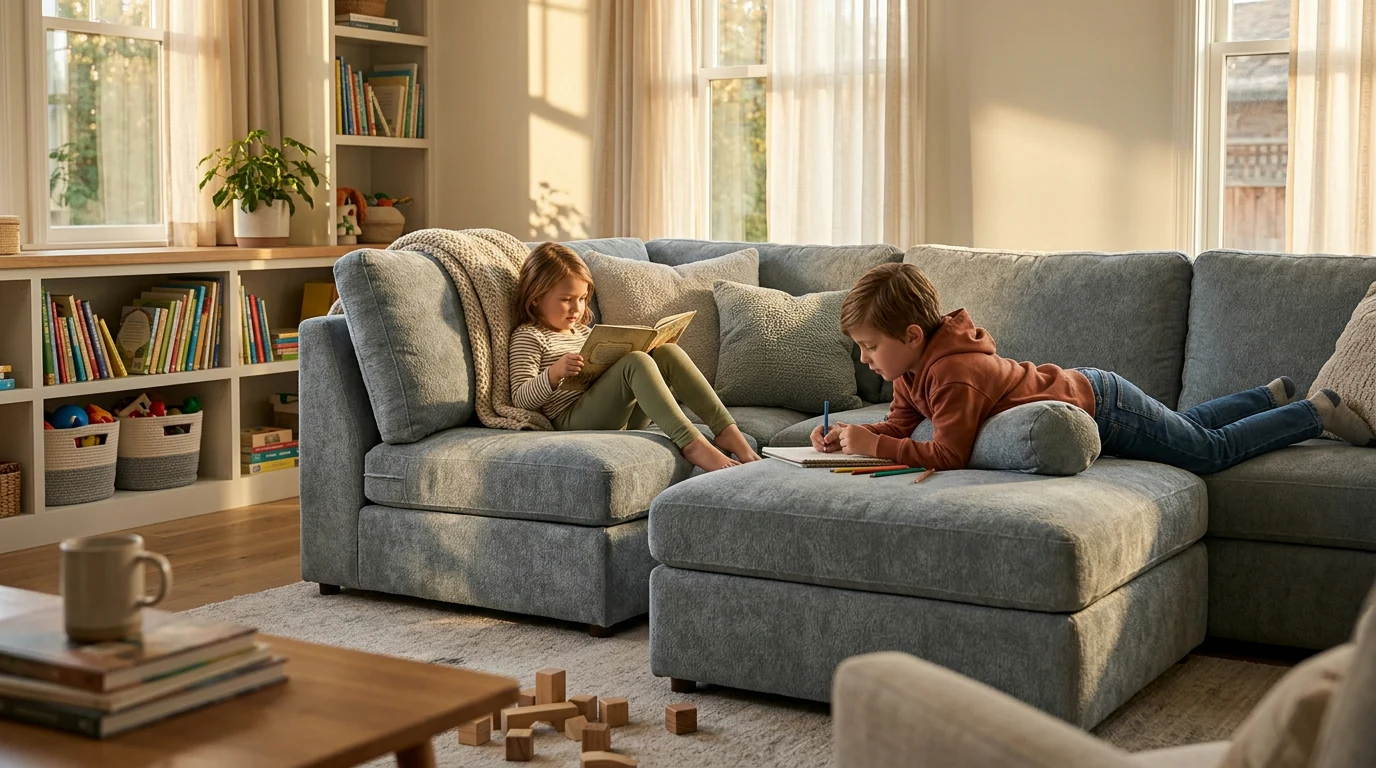
Is Chenille fabric good for kids?
Chenille can be a great fabric for kids because it’s soft, cozy, and generally comfortable against sensitive skin. It’s often used for blankets, throws, and plush items where a gentle feel matters most. For everyday kid use, chenille works best when it’s made from durable fibers (like cotton blends or quality synthetics) and finished with a tighter, more resilient weave.
What makes chenille kid-friendly?
The main advantage is comfort: chenille’s fuzzy pile gives it a warm, velvety texture that many children enjoy. It can also feel less “scratchy” than some wools and can be a nice choice for lounging, stroller blankets, or cozy nursery decor. When the fabric is well-made, chenille drapes nicely and can stay pleasant to the touch after repeated use.
Any drawbacks for messy, active kids?
Chenille’s plush surface can snag, flatten, or show wear faster than smoother fabrics—especially in high-friction areas or during rough play. Spills can sometimes take a bit more attention to clean because the pile can hold onto crumbs or liquid, depending on the fiber content. If you need something for constant washing and heavy-duty use, look for chenille labeled as machine-washable and constructed for performance (or consider a smoother, tighter fabric for high-traffic items).
How to choose safer, longer-lasting chenille for children
Check the care label first: machine-wash and tumble-dry instructions make life easier. For baby and toddler items, prioritize fabrics that are colorfast, low-shed, and made without harsh finishes. If possible, feel the fabric in person: higher-quality chenille tends to shed less and bounce back better after being rubbed.
For a deeper breakdown of chenille pros, cons, and care tips, visit the full guide on chenille fabric for kids.
FAQ
Is chenille fabric hypoallergenic?
Chenille isn’t automatically hypoallergenic; it depends on the fiber content and finishes. If allergies are a concern, choose OEKO-TEX or similar certified options and wash before first use to remove loose fibers and residues.









Leave a comment