Silicone Socket Covers for EU Outlets: Babyproof Guide
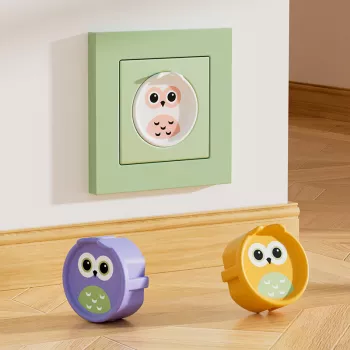
Open wall outlets sit right at a crawling baby’s eye level and are easy to explore with fingers, toys, or drool-soaked hands. Silicone socket covers add a simple physical barrier over European-style outlets to reduce accidental contact. This guide explains how these covers work, what to look for in day-to-day use, and how to place them around the home for practical childproofing.
Why uncovered outlets become a daily hazard
Babies and toddlers learn fast by touching, poking, and pulling—and outlets are naturally tempting because they’re low on the wall, visually distinct, and often located near the spaces where families gather. Even in homes with attentive adults, risk can increase during routine “high-distraction” moments: meal prep, a doorbell, a diaper change, or the last few minutes of a bedtime routine.
Many parents’ closest calls aren’t dramatic—they’re everyday objects meeting an outlet at the wrong moment. Metal hair clips, keys, tiny toy parts, and even damp fingers can find their way toward socket openings. Outlet covers provide a layer of protection, but they work best as part of a bigger safety approach that includes supervision, good cord management, and safe electrical habits. For broader guidance, sources like HealthyChildren.org and the Electrical Safety Foundation International (ESFI) offer practical home-safety recommendations.
How silicone socket covers help in European-style outlets
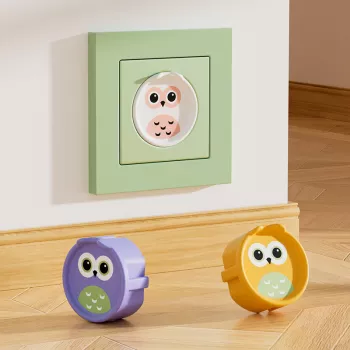
Silicone socket covers are designed to create a physical block that discourages probing fingers and prevents many small objects from reaching the live openings. For European-style outlets, a snug, friction-based fit is especially helpful: it’s meant to stay seated during normal bumps and brushing while still being removable by an adult when needed.
Compared with bulkier caps, a low-profile silicone design can help keep the wall area tidy and reduce the chance a child gets a strong grip and turns the cover into a “new toy.” Covers are typically most effective on outlets that aren’t actively needed every day. If an outlet is used constantly (nightlights, air purifiers, chargers), consider whether your setup would be safer with additional solutions that protect plugged-in cords and adapters.
If you’re starting with a small, high-priority set of outlets, 6-Pack Silicone Baby Safety Socket Covers – European Outlet Childproof Guards can be a practical first step for the rooms your child spends the most time in.
Where to place covers for the biggest safety gain
To get the most protection from a small pack of covers, think in terms of where a child’s hands will be today and where they’ll be in two weeks. Start with rooms where your child crawls, cruises, or plays: living room, nursery, playroom, hallways, and any low outlets near toy zones.
Next, prioritize outlets near climbable furniture—sofa edges, low shelves, and bed frames—because toddlers extend their reach quickly when they can pull up. Also pay special attention to areas where wet hands are likely, such as near humidifiers, kitchen drinking stations, and bathrooms (when outlets are present and reachable).
Finally, don’t overlook guest rooms and corridors. During visits and family gatherings, children roam and explore unfamiliar corners—often the exact places adults haven’t childproofed.
Quick fit check for European outlets and common setups
Outlet cover placement checklist (room-by-room)
| Area | What to check | Practical tip |
|---|---|---|
| Living room | Outlets near sofas, TV stands, lamps | Cover unused sockets; route cords behind furniture when possible |
| Nursery / bedroom | Outlets near crib, changing table, nightlights | Keep chargers out of reach; cover everything not essential |
| Kitchen | Low outlets near breakfast corners or water access | Use covers on unused outlets; keep small metal objects off low counters |
| Hallways / entry | Outlets near shoe benches or coat racks | Toddlers pause and play here—cover reachable outlets |
| Play area | Outlets behind toy storage and activity tables | Re-check after rearranging furniture; new reach zones appear quickly |
Using and maintaining silicone covers safely
For a well-rounded routine, pair outlet protection with smart household habits: keep cords short, avoid leaving adapters plugged in at floor level, and store small metal items where little hands can’t reach. For bath-time areas in particular, consider simplifying routines with easy-to-grip tools like the Soft Silicone Baby Bath Brush – Gentle Paws Scrubber for Comfortable Cleansing so you can keep one hand on your child and minimize clutter near sinks and counters.
What comes in the 6-pack and when it’s most useful
Childproofing works best as a system. Outlet covers help with unused sockets, while cord management, furniture anchoring, and cabinet latches reduce the “secondary hazards” that often show up once toddlers start pulling up and cruising. If you’re building calmer routines during transitions (new sibling, travel, changing households), simple planning tools like 10 Loving Ways to Comfort Your Child When They Miss a Parent | Gentle Parenting Checklist can help keep the home environment steady while you update safety setups room by room.
Common mistakes to avoid
FAQ
Do these covers fit both Type E and Type F (Schuko) outlets?
They can fit many Type E and Type F outlets, but the best indicator is your specific faceplate shape and recess depth. Test one cover first and confirm it sits flush, snug, and doesn’t wobble before installing the rest.
Can a toddler pull silicone socket covers out?
A snug silicone fit helps reduce easy removal, but strength and persistence vary by child. Check fit periodically, replace any cover that loosens, and reduce temptation by keeping cords and adapters out of reach.
Should covers be used on outlets that power essential devices?
Outlet covers are usually best reserved for unused or rarely used sockets. For frequently used outlets, consider childproofing options that protect plugged-in cords and adapters while still allowing daily use.








Leave a comment