5-Piece Silicone Fruit Feeder Set: First Foods & Teether
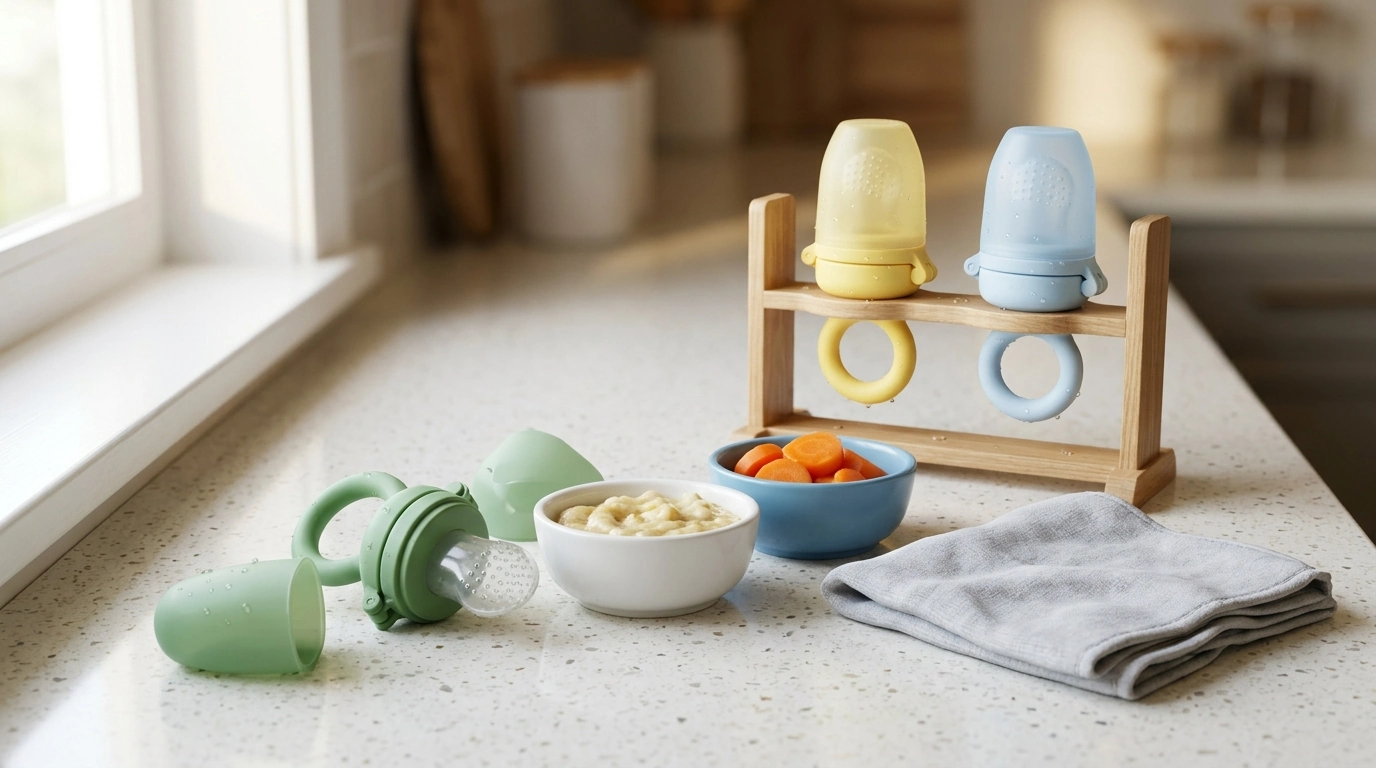
Safer First Tastes (and a Soothing Teether) in One Simple Tool
First foods are a big milestone—along with the very real concerns that come with them: gagging, choking worries, sticky hands, and a sink full of tiny parts. A silicone baby fruit feeder with a cover is designed to make those early tastes feel more manageable by letting babies explore fresh flavors in small amounts while keeping larger pieces contained. It also pulls double duty during teething, especially when the pouch is filled with cool, soft foods. For more guidance, see Perspective: Novel Commercial Packaging and Devices for ….
If you’re building a practical routine for snacks, early solids, and sore gums, a multi-piece set can reduce last-minute scrambling and make it easier to keep a clean feeder ready to go. For further reading, see Baby Binkies Pacifiers Teethers Toothbrush Infant Feeding ….
What a Silicone Fruit Feeder with Cover Does
- Helps baby taste without big chunks: Soft fruit or cooked foods sit behind a small-holed silicone pouch, so baby can suck and chew while limiting large pieces breaking off.
- Works as a teether: Cool foods can offer gentle relief during teething by soothing tender gums.
- Keeps the tip cleaner between uses: A protective cover helps shield the silicone pouch from diaper-bag lint and surfaces.
- Supports early self-feeding: Babies can practice grip and hand-to-mouth coordination with less mess than loose finger foods.
What’s Included in a 5-Piece Set (and Why It’s Useful)
A single feeder is helpful—until it’s in the wash and you need it right now. That’s where a 5-piece set becomes a real day-to-day upgrade.
- Easy rotation: Multiple feeders help you swap in a clean one quickly and reduce “no clean feeder” moments.
- Dedicated uses: Keep one for fruit, one for veggies, and one reserved for chilled breast milk or formula pops so flavors don’t mix.
- Covers for travel: Covers reduce contact with surfaces when tossing one into a diaper bag for errands or daycare.
- Sanitizing without rushing: Extras mean you can wash, sanitize, and let parts dry fully—without needing to reassemble damp pieces.
Best First Foods to Put Inside (and What to Avoid)
Think “soft enough to mash with gentle pressure.” Early wins are ripe fruits and well-cooked vegetables that become very tender when steamed or boiled. For teething relief, chilling a filled feeder can turn snack time into a calm-down moment—just avoid freezing it rock-hard if that makes it uncomfortable to chew.
- Great starter options: ripe banana, very ripe pear, ripe peach, avocado, steamed apple slices (cooled), steamed carrot or sweet potato (cooled and very soft).
- Cooling tip: Chill the filled feeder briefly to create a gentle “cold teether.”
- Avoid higher-risk foods: nuts; raw apple chunks; grapes/berries unless mashed or cooked to softness; hard vegetables; chunky nut butters that can clump.
- Follow readiness cues: Developmental readiness matters more than a calendar date—confirm timing with your pediatrician if unsure. Helpful guidance is available from the CDC and the American Academy of Pediatrics.
Food ideas by texture and prep
| Food | Prep | Why it works | Notes |
|---|---|---|---|
| Banana | Ripe; mash lightly | Soft, easy to release flavor | Can brown quickly; prep fresh |
| Pear | Very ripe; grate or mash | Mild, juicy | Choose ripe to avoid firm bits |
| Apple | Steam until very soft; cool | Gentle flavor, good for practice | Avoid raw chunks |
| Sweet potato | Steam/boil; mash; cool | Smooth texture, filling | Check for clumps before loading |
| Frozen breast milk/formula pop | Freeze in small portions; slightly thaw | Teething comfort | Use short sessions; supervise closely |
How to Use It Step-by-Step (Quick Routine)
- Wash hands and confirm all parts are clean, dry, and fully assembled.
- Load a small amount of soft food into the silicone tip. Avoid overfilling so it closes securely.
- Check the closure—tug lightly to confirm the tip and handle are firmly connected.
- Offer only when baby is seated upright and alert. Stay within arm’s reach the entire time.
- Cap it after use if you’re pausing. Discard food that has been sitting out for an extended period, and follow safe handling guidance for baby foods from the FDA.
Safety Essentials for Feeding and Teething
Cleaning, Sanitizing, and Storage Tips
When a 5-Piece Set Is Most Helpful
Product Options Available Now
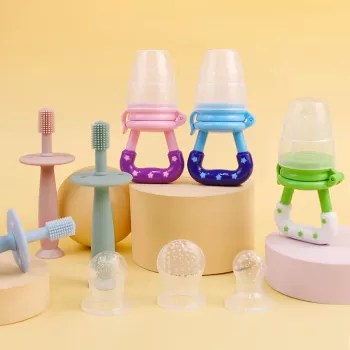
For a ready-to-go setup, the 5pcs Silicone Baby Fruit Feeder Set with Cover is a practical way to support both early tastes and teething comfort without needing extra accessories. Look for a secure closure, a comfortable grip, and a cover that stays on during transport.
To keep cleanup comfortable for baby (and easier for caregivers), pair feeding routines with gentle bath-time tools like the Soft Silicone Baby Bath Brush – Gentle Paws Scrubber for Comfortable Cleansing, especially on messy food days.
FAQ
At what age can a baby use a fruit feeder?
Focus on developmental readiness rather than a specific age: sitting with support, bringing objects to the mouth, and showing interest in food. If you’re unsure about timing—especially if starting solids earlier than expected—confirm with your pediatrician.
Can a fruit feeder prevent choking?
It can help reduce the chance of large pieces breaking off, but it cannot fully prevent choking. Supervision, upright posture, and routine inspection of the silicone pouch for damage are still essential.
How do you clean and sanitize a silicone feeder with a cover?
Disassemble all parts, wash with warm soapy water using a small brush, and rinse thoroughly. Sanitize as needed using baby-item-safe methods, then dry completely before placing the cover on for storage.









Leave a comment