Silicone Brush Disadvantages: Cleaning, Smells & Wear
What are the disadvantages of using a silicone brush?
Silicone brushes can be convenient because they’re flexible, non-scratch, and often dishwasher-safe. Still, there are a few downsides that matter depending on what you’re cleaning or applying—especially for baby items, dishes, or sensitive surfaces.
Answer
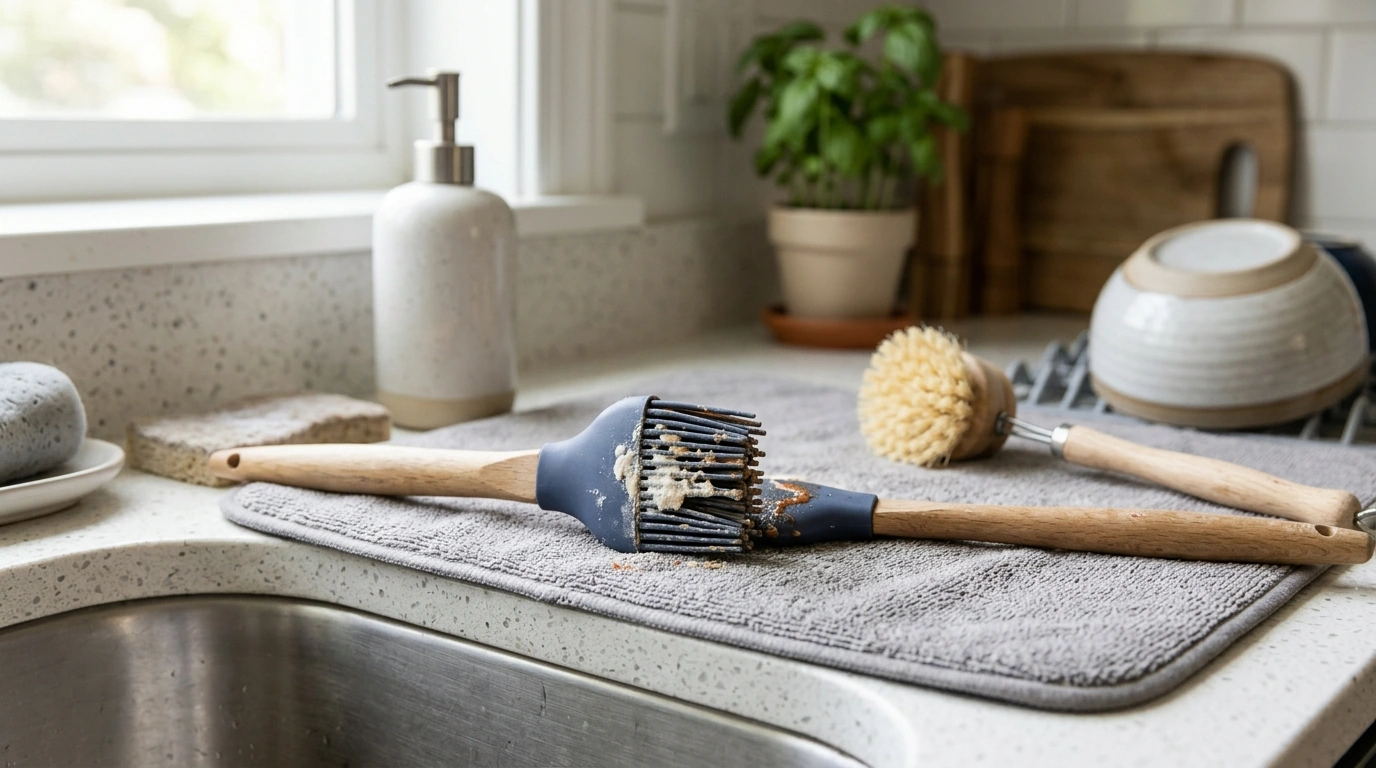
They don’t always scrub as effectively as bristles. Silicone “nubs” can struggle with stuck-on residue, dried-on formula, greasy film, or textured surfaces. You may need extra pressure or multiple passes compared with a nylon-bristle brush.
They can smear oils instead of lifting them. On greasy pans, bottles, or cosmetics tools, silicone can push residue around before it breaks it up, which can make cleaning feel slower and require more rinsing.
Drying can be an issue. While silicone doesn’t absorb water like a sponge, water can sit between the nubs or at the base. If the brush is stored in a closed container or left wet, that trapped moisture can lead to odors or buildup over time.
Heat and deformation risks exist. Many silicone brushes tolerate high temperatures, but not all are the same quality. Cheaper versions can warp near hot cookware, become floppy, or develop a sticky feel after repeated exposure to heat and harsh detergents.
They may stain or hold onto smells. Strongly colored foods (like tomato sauce) or fragranced soaps can discolor silicone or leave lingering odors, even after washing.
Texture can be too gentle for some jobs. Silicone is great for nonstick surfaces, but it may not reach tight crevices or deep grooves as well as a thin bristle head, bottle brush, or pipe-style cleaner.
For a deeper breakdown and practical tips, see the full guide here: What are the disadvantages of using a silicone brush?
FAQ
How do you clean and dry a silicone brush properly?
Wash it with hot water and dish soap, making sure to rub around the base where residue can collect. Rinse thoroughly, shake off excess water, and let it air-dry upright in an open area before storing.








Leave a comment